
AUSTIN, Minn. – An Austin Township farm family will open their land along the Cedar River to visitors next week for a field day on using data for conservation that benefits wildlife and farming.
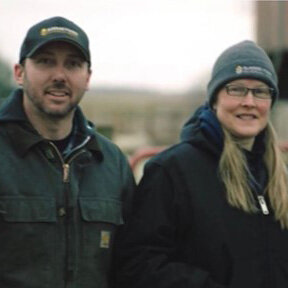
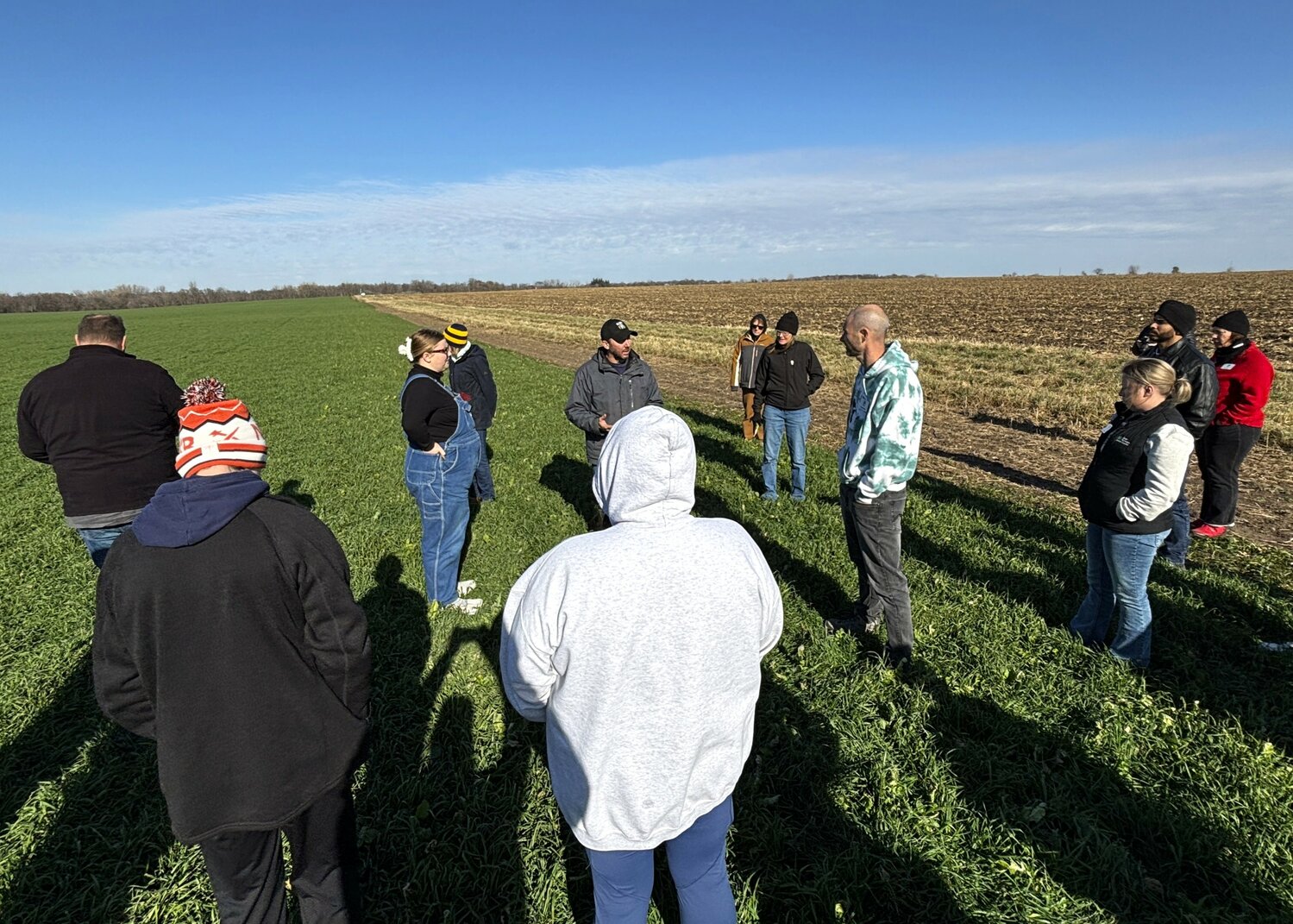
Jon and Ruth Jovaag, in partnership with the nonprofit Pheasants Forever, are hosting the “Farming for Habitat: How Precision Conservation Can Work for Farmers and Wildlife” field day from 9 a.m. to 11:30 a.m. Saturday, Sept. 26, at 53504 173rd St. Light refreshments will conclude the day, and RSVPs are requested at: practicalfarmers.org/events/field-days
One of the presenters will be Shelby Oldenkamp, an area Pheasants Forever precision ag and conservation specialist who has worked with numerous Mower County farmers on native prairie strips and other practices.
About three miles south of Austin, the Jovaags farm about 500 acres of cropland and manage another 60 acres of woodlands and riparian corridors along the Cedar River’s east side.
The Jovaags will explain how precision conservation has informed their decisions and highlight how habitat supports healthy soil, water and wildlife alongside healthy farm profitability.
“This data-based approach has ensured that we’re adding the right conservation practices in the right places to boost yield and provide vital habitat,” Jon Jovaag said.
In 2014, the Jovaags began transitioning row crops to an organic operation. Since then, the family has used data to add prairie strips, enrolled federal Conservation Reserve Program (CRP) acres and habitat through the state’s Reinvest In Minnesota.
At the field day, the Jovaags and Pheasants Forever staff will discuss precision conservation, including the use of data to pinpoint less-productive acres to convert to habitat and the role of precision conservation in farm profitability.
They also will talk about programs for installing prairie and wildlife habitat along with how prairie strips, CRP land, riparian corridors and cover crops support wildlife and improve water quality.
Cover crops are grown outside of the cash crop growing season – typically seeded in fall and terminated before spring planting – to keep living roots in the ground year-round. They can improve water management, soil protection and nutrient loss.